Strengthening Cooperation Between Russia, China, Iran, and North Korea: The Economist Analysis
Authoritarian regimes are deepening coordination in military and technological spheres, posing new challenges to global security.
 🇺🇦Ukraine
Photo: UNIAN
Key points
- Deepening military coordination between Russia, China, Iran, and North Korea
- Over 600 recorded instances of security cooperation since 2019
- Lack of a formal military alliance despite high levels of interaction
- Difficulty in containing authoritarian regimes by individual nations
A New Geopolitical Reality
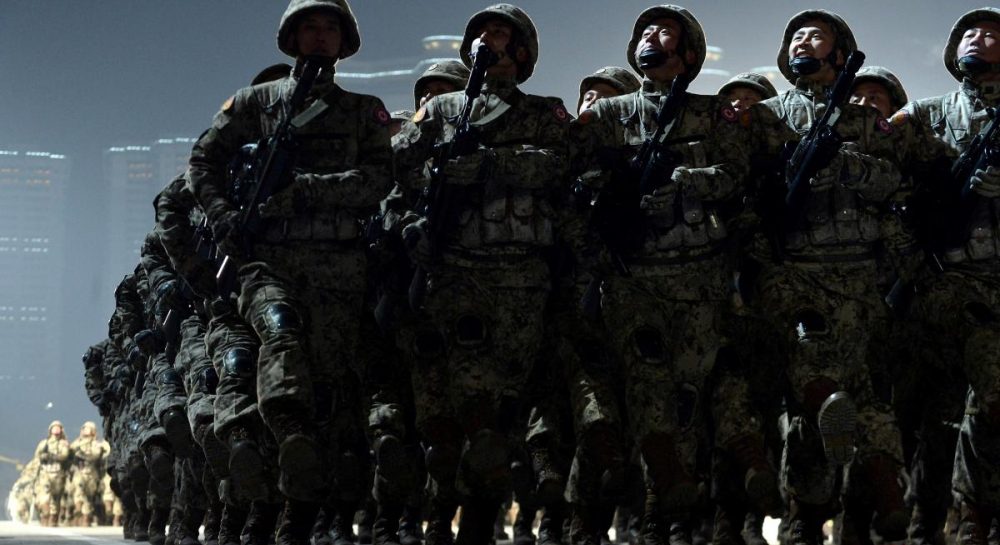
International observers at The Economist highlight the emergence of an informal yet increasingly coordinated alliance between Russia, China, Iran, and North Korea. These nations are actively sharing military expertise, intelligence, and technology, which helps them mitigate the impact of Western sanctions.
Analysts at the FDD have recorded over 600 instances of security cooperation between these countries over the past six years. This process has intensified significantly since the start of Russia's full-scale invasion of Ukraine, as the shared interests of these authoritarian regimes have begun to shift the global balance of power.
Characteristics of the Informal Alliance
Despite close cooperation, experts note that this bloc is not a NATO equivalent. The countries lack a unified command structure or mutual defense obligations. Furthermore, their geopolitical goals sometimes conflict: for instance, Beijing seeks stability for economic growth, while Moscow benefits from global instability.
However, even without a formal pact, mutual support makes these regimes significantly more dangerous to democratic nations. Western states are currently struggling to find effective containment mechanisms, as countering each member of this "axis" individually is becoming an increasingly difficult task.
Source UNIAN — unian.ua/world/rosiya-knr-iran-ta-pivnichna-koreya-stvorili-neforma… ↗
Read next
 🛡️Security
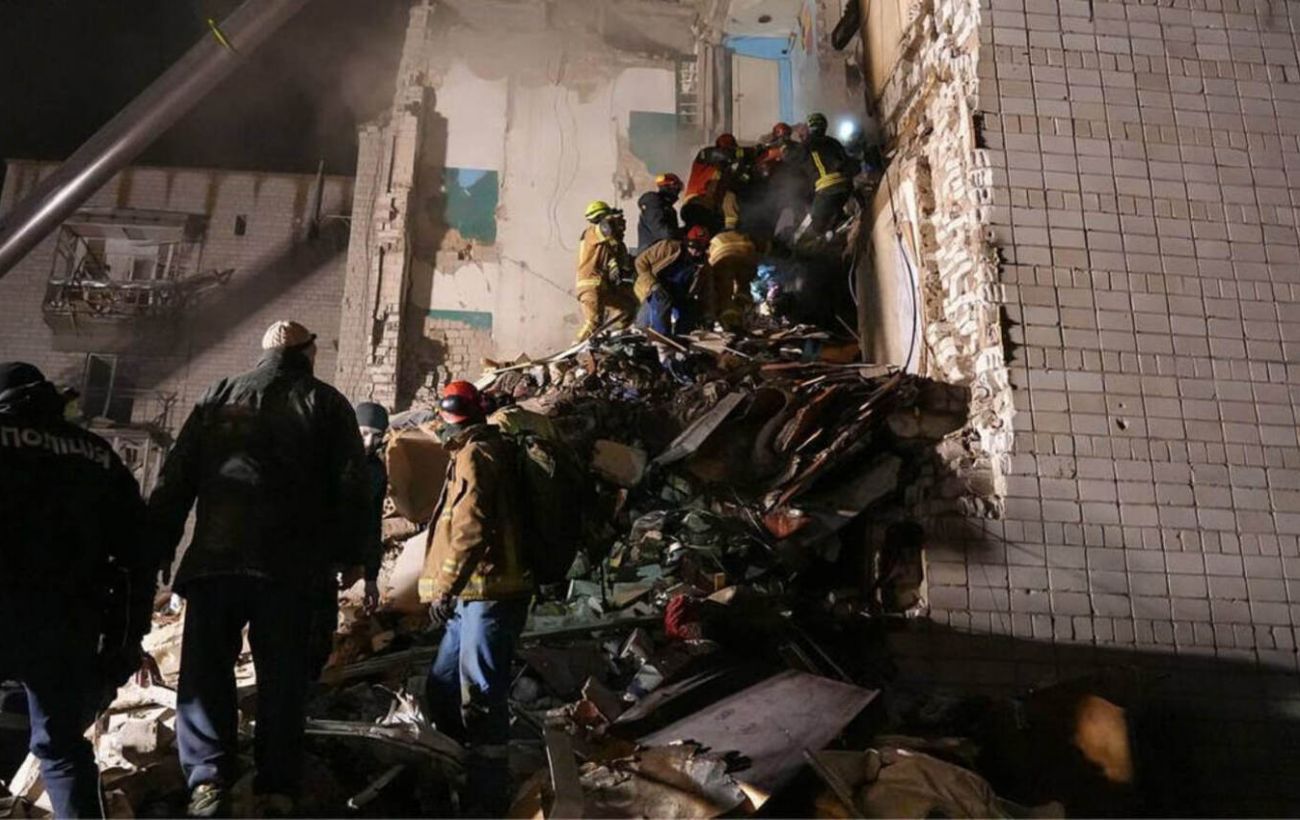
Death toll rises to six following drone strike in Dymer
Emergency services have recovered the body of a sixth victim from the rubble of a residential building in the Kyiv region.
 🏛️Politics
British Minister Hamish Falconer harshly criticizes Putin and Trump's stance
UK Minister Hamish Falconer condemned Russian aggression and distanced himself from rhetoric regarding 'friendship' with the Kremlin leader.
 🏛️Politics
US Considers Providing Ukraine with NATO-Style Security Guarantees
The US administration is initiating talks on a new European security architecture that could include providing Ukraine with guarantees similar to NATO's Article 5.
 👥Society
The secret to juicy patties: how smoked cheese replaces traditional ingredients
Culinary experts suggest skipping bread in minced meat, replacing it with smoked cheese for better flavor and texture.
 🎭Culture & Sport
Goal-fest in Serie A: Atalanta and Inter share the spoils
Atalanta and Inter Milan played out a thrilling 4-4 draw in the 12th round of the Italian championship, featuring a hat-trick from Francesco Pio Esposito.
 🚌Transport
Transport Blockade of the Capital: Can Pontoons and Tunnels Save Kyiv?
Following massive attacks on Kyiv's bridges in autumn 2026, authorities are exploring alternative ways to connect the Dnipro banks, including pontoons and tunnels.