Scientists create hybrid 'planimal' cells: what this means for biology
Researchers from the University of Tokyo have successfully combined the genetic material of hamster cells and red algae, creating stable hybrid structures.
 💡Tech
Photo: TSN
Key points
- Hybrid hamster and algae cells were created.
- Genetic material was retained for over 150 generations.
- Most algae genes remain inactive in the mammalian cells.
A new stage in genetic research
An international team of scientists led by the University of Tokyo has conducted an experiment in which they successfully combined Chinese hamster cells with the single-celled red alga Cyanidioschyzon merolae. The resulting hybrids, which researchers dubbed "planimals," demonstrated the ability to retain foreign DNA for over 150 generations of cell division.
To combine the genetic material, the scientists used a method of fusing cell membranes with polyethylene glycol. The results showed that about 16.3 million base pairs of the algae's DNA were integrated into the hamster cell lines. This confirms the possibility of stable transmission of genetic information between evolutionarily distant species.
Will these cells be able to photosynthesize?
Despite the successful integration of the genome, most of the algae's genes in the new cells remain inactive due to the protective mechanisms of the mammal cells. Professor Sachihiro Matsunaga noted that the cells are currently incapable of photosynthesis because they lack the necessary organelles, known as chloroplasts. Future research will focus on exploring the possibilities of selectively activating these genes.
Source TSN — tsn.ua/nauka_it/hibryd-roslyny-ta-tvaryny-vze-realnist-navishcho-vcheni… ↗
Read next
 🚌Transport
Overnight Drone Wave Across Russia: Airport Disruptions and Suspected Blaze at Rosgvardia HQ in Krasnodar
A large-scale overnight drone barrage caused civil aviation disruptions in Russia and sparked a suspected fire at the regional National Guard headquarters in Krasnodar on…
 🚌Transport
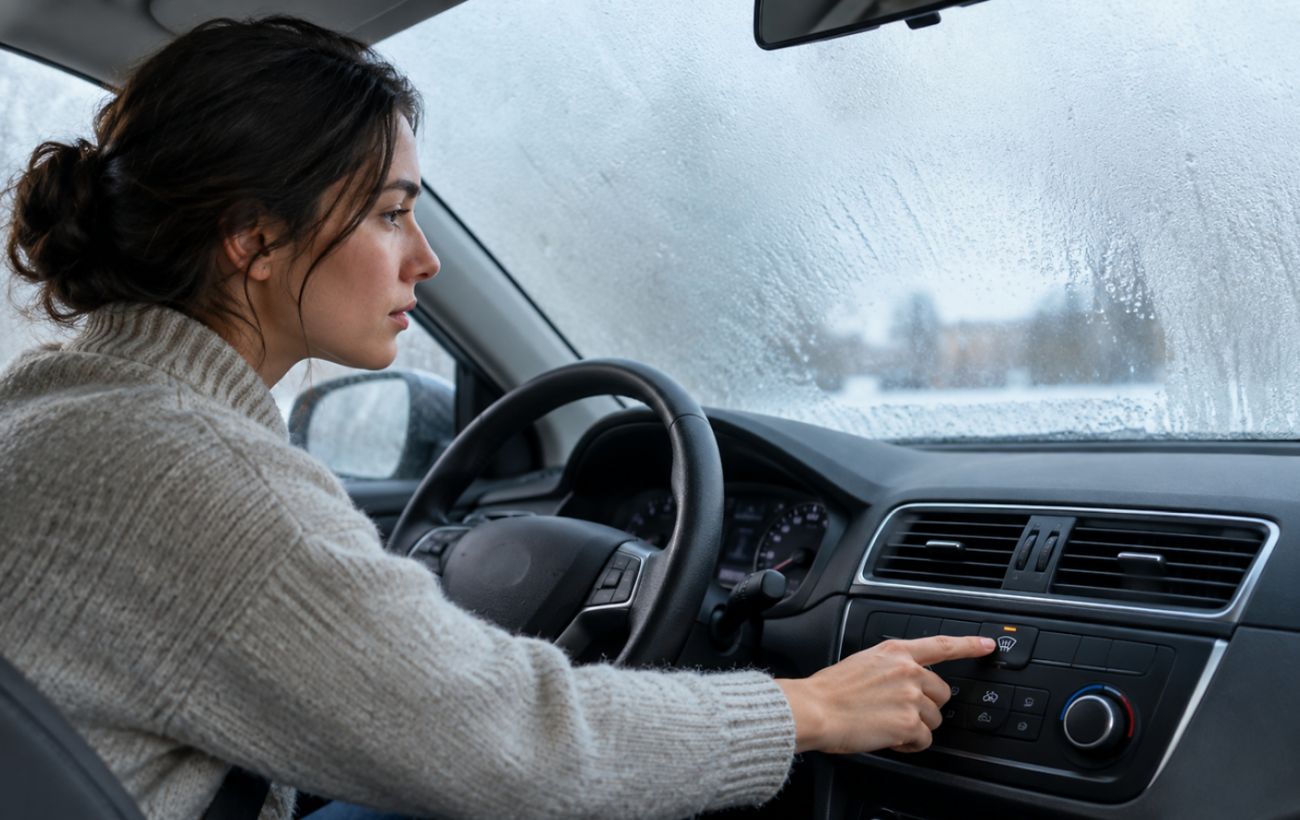
Windshield Fogging in Autumn and Winter: Causes and Safe Driving Rules
As cold weather arrives, drivers frequently encounter condensation on the inside of their windshields. Experts explain the causes of moisture buildup and remind motorists…
 👥Society
Special Habits of Mind: Behavioral Patterns That Help in Everyday Life
Researchers highlight key cognitive habits of flexible thinkers, including taking pauses before speaking, embracing solitude, and readiness to admit mistakes.
 🛡️Security
Deportation of Ukrainian Children: Scale of the Crime and Challenges of Return
More than 20,000 Ukrainian children have been officially confirmed as deported to the Russian Federation, though the actual number may be much higher due to ongoing occup…
 🚌Transport
Subsidy Rules for Nikopol Residents: What to Do if a Family Member is Abroad
Nikopol residents can apply for housing subsidies even if a family member is abroad, but the duration of their absence affects the benefit calculation.
 🛡️Security
Lithuania rejects Russian allegations of using its airspace for drone attacks
The Lithuanian Foreign Ministry has refuted claims by Russian authorities regarding the country's alleged involvement in launching drones towards the Kaliningrad region.