Destruction of Ukrainian Education Under Occupation: Testimony from a Lyceum Director
Former Lyceum director Natalia Vasilyeva spoke at the European Parliament about the forced Russification of schools in the occupied Kherson region.
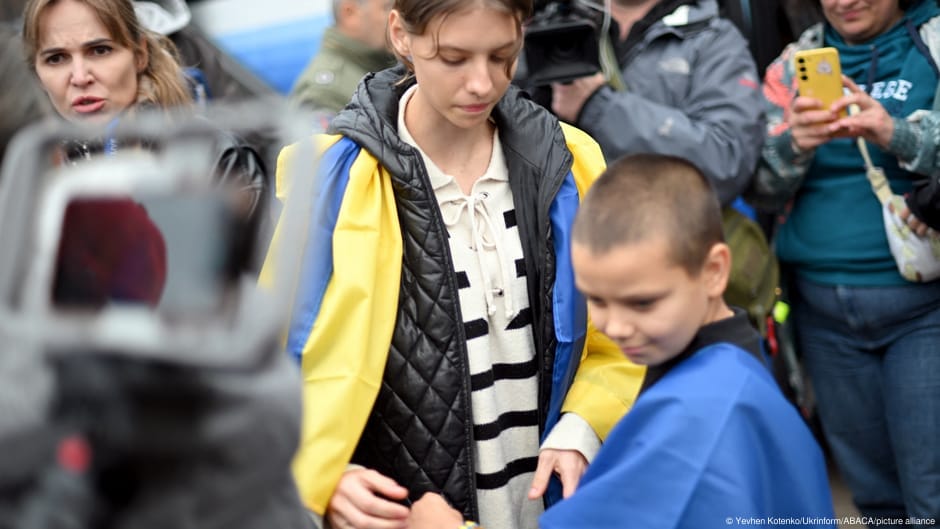 🎓Education
Photo: AutoGN education · Освіта Україна
Key points
- Forced Russification of schools
- Destruction of Ukrainian textbooks
- Psychological pressure on families
- Testimony at the European Parliament
Pressure on Educators and Forced Curriculum Changes
During a discussion at the European Parliament regarding the rights of children during the war, the former director of the Radensk Lyceum in the Oleshky community, Natalia Vasilyeva, revealed details of how occupation authorities dismantled the Ukrainian education system in the captured parts of the Kherson region. She reported that from the very first days of the occupation, invaders attempted to seize control of educational institutions, demanding that teachers switch to Russian educational standards.
The majority of educators refused to cooperate, continuing to teach according to Ukrainian curricula remotely for as long as internet connectivity allowed. Due to her refusal to comply, the director was barred from her workplace and denied access to the school building.
Methods of Erasing Identity
The occupiers not only replaced the Ukrainian teaching staff with individuals brought from Russia but also systematically destroyed educational materials. According to Vasilyeva, Ukrainian textbooks on history, language, and literature were publicly burned. Schools enforced strict prohibitions: speaking Ukrainian was forbidden, and children were forced to learn and sing the Russian national anthem.
"For children, this is primarily a deep psychological trauma. They have been stripped of the right to know their own history and culture," Natalia Vasilyeva noted.
Parents who tried to protect their children from the occupation system were blackmailed with threats of having their children taken to boarding schools or facing fines. Due to the lack of stable Ukrainian internet access, online learning became dangerous and nearly impossible, forcing many to send their children to schools controlled by the occupiers.
Read next
 🎭Culture & Sport
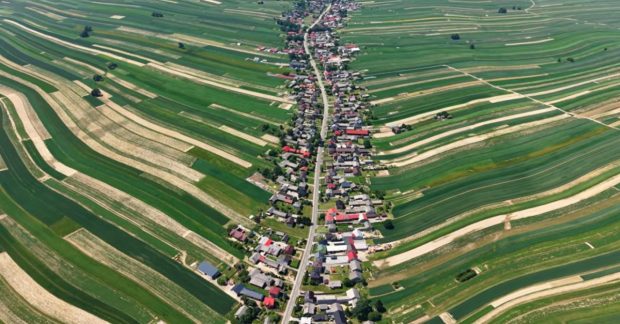
Unique Polish Village of Suloszowa Amazes with a Single 9-Kilometer-Long Street
A small settlement in Poland has preserved its medieval street-village layout, featuring houses lined up along a single road and fields forming a picturesque mosaic.
 🇺🇦Ukraine
Strike on Dymer and Massive Shelling Across Regions: People Trapped Under Rubble
A Russian drone strike partially destroyed an apartment building in the Kyiv region, with people potentially trapped under the rubble. The President of Ukraine reported o…
 🏙️City
Utility providers step up pressure on debtors: water cutoffs announced in neighboring community
Dnipro and Novoleksandrivka utility workers will disconnect water supplies to private sector debtors between November 23 and 27.
 🏙️City
The Philosophy of Reconstruction: Why Everyday Repairs Are Becoming the Foundation of Survival for Frontline Cities
Reflections on how the routine labor of utility workers and engineers in frontline regions shapes a new reality, where infrastructure restoration is the primary condition…
 🛡️Security
High-Rise Damaged in Kyiv Region: 14 People Unaccounted For After Drone Attack
A residential building in Dymivka, Kyiv region, was partially destroyed by a drone strike, prompting an ongoing search and rescue operation.
 🎓Education
Nikopol Youth Club Hosts Special Event for World Children's Day
A thematic meeting dedicated to World Children's Day was held for young residents in Nikopol at the Resilience Center.